We Use CookiesWe use cookies to enhance the security, performance,
functionality and for analytical and promotional activities. By continuing to browse this site you
are agreeing to our privacy policy
10 Best Activated Carbon Air Purifier
From leading brands and best sellers available on the web.

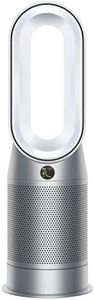
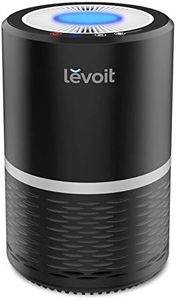
Related Products
Up to 10% off
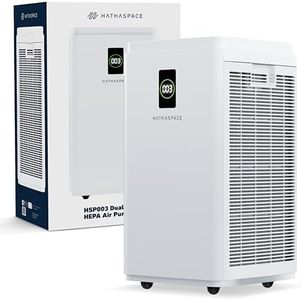
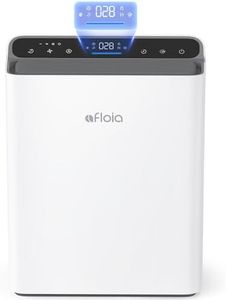
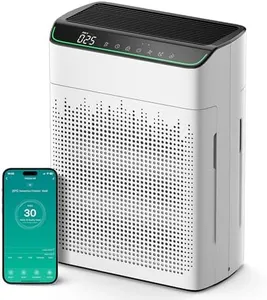
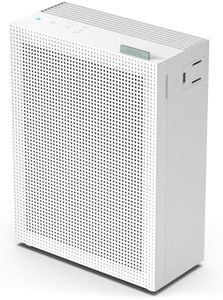
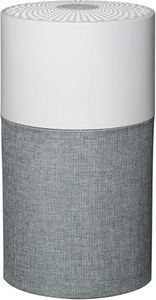


Buying Guide for the Best Activated Carbon Air Purifier
Choosing an activated carbon air purifier can make a big difference in the air quality of your home, especially if you are concerned about odors, smoke, or certain chemicals. Activated carbon filters are designed to trap gases and volatile organic compounds (VOCs) that regular filters might miss. When shopping for an air purifier with activated carbon, it's important to understand the key features that affect performance and how they relate to your specific needs, such as room size, sensitivity to odors, or the presence of pets or smokers.Activated Carbon Filter Size and WeightThe size and weight of the activated carbon filter determine how much carbon is available to absorb odors and chemicals. Larger and heavier filters generally contain more carbon, which means they can trap more pollutants before needing replacement. If you have strong odors, smoke, or chemical sensitivities, look for purifiers with thicker or heavier carbon filters. For lighter needs, such as mild cooking smells, a smaller filter may suffice.
Air Changes Per Hour (ACH)ACH tells you how many times the air purifier can clean the air in a room within an hour. Higher ACH values mean the air is cleaned more frequently, which is important for people with allergies, asthma, or high pollution levels. For bedrooms or small offices, a lower ACH may be enough, but for larger spaces or if you want faster odor removal, look for a higher ACH rating.
Room CoverageRoom coverage indicates the maximum size of the area the air purifier can effectively clean. This is usually measured in square feet or square meters. To choose the right one, measure your room and select a purifier that matches or exceeds that size. If you use the purifier in a larger space than recommended, it may not remove odors or chemicals effectively.
Filter Replacement FrequencyThis spec tells you how often you need to replace the activated carbon filter. Filters that last longer are more convenient and cost-effective, but if you have heavy odors or smoke, you may need to replace them more often. Consider your environment and how much pollution or odor is present to decide how important this feature is for you.
Noise LevelNoise level is measured in decibels (dB) and tells you how loud the air purifier will be during operation. Lower noise levels are better for bedrooms or quiet spaces, while higher levels may be acceptable in living rooms or kitchens. If you are sensitive to noise or plan to use the purifier while sleeping, look for models with lower dB ratings.
Additional Filtration StagesMany air purifiers combine activated carbon with other filters, such as HEPA filters, to capture dust, pollen, and other particles. If you want to remove both odors and allergens, look for a purifier with multiple filtration stages. If your main concern is only odors or chemicals, a simple carbon filter may be enough.